
Home Health Tools Worth Owning
A small set of reliable devices lets you check a fever, track your blood pressure and weight, and act fast in an emergency. Here are the tools we think every home should have, and what each one can and cannot tell you.
✓ Picks based on research and real reviews✓ Live Amazon prices✓ Honest pros and limits
WellnessVigor is reader-supported. When you buy through links on this page we may earn a small commission from Amazon, at no extra cost to you. How we choose products.
Why keep health tools at home?
Most health problems are easier to manage when you notice changes early. A reading taken at home, at the same time each day, often tells your doctor more than a single number taken in a busy clinic. Home tools are also useful for checking a child’s fever at night or tracking progress when you are trying to lose weight.
They do not replace a doctor. Use them to track trends and to know when to call for help.
Everyday essentials
Start here. These two cover the most common needs in almost every household.
Digital thermometer
A fast digital thermometer is the first tool you reach for when someone feels unwell. Oral and underarm use make it suitable for the whole family.
Good to know: For babies under 3 months, ask your doctor which method they recommend, and call them for any fever in a young baby.

Upper-arm blood pressure monitor
High blood pressure usually has no symptoms, so measuring it is the only way to know. Upper-arm cuffs are generally more reliable than wrist models. Measure at the same time each day after 5 minutes of quiet sitting.
Good to know: Choose a monitor that has been clinically validated and check that the cuff size fits your arm.

Weight and activity
Useful if you are working on weight loss or fitness. Watch the weekly trend, not the daily number. Our guide to tracking weight loss progress explains how.
Smart body composition scale
Syncs weight to your phone so you can see your trend over weeks. Compare models in our smart scale guide.
Good to know: Body fat and muscle numbers from bathroom scales are estimates. Use them to spot trends, not as exact measurements.

Fitness tracker
Counts steps, tracks sleep and reminds you to move when you have been sitting too long. Simple and light enough to wear all day.

Extra monitoring
These are helpful for some people, especially if your doctor has asked you to keep an eye on your heart or breathing.
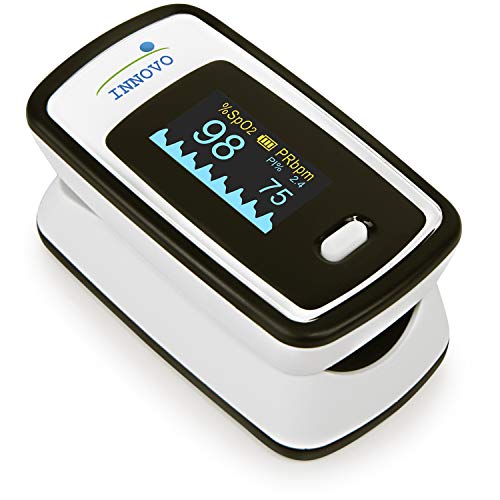
Fingertip pulse oximeter
Shows blood oxygen level and pulse in seconds. Many families keep one for checking breathing during chest infections.
Good to know: Readings can be less accurate with cold fingers, nail polish and on darker skin. Never ignore breathing difficulty because a reading looks normal.
Personal ECG monitor
Records a single-lead ECG on your phone in 30 seconds and can flag possible atrial fibrillation. Useful to show your doctor if you notice palpitations.
Good to know: It cannot detect a heart attack. Chest pain is always an emergency: call your local emergency number.

Emergency safety
Airway clearance device
A suction device designed as a backup for choking emergencies when standard first aid has not worked.
Good to know: Learn standard choking first aid first (back blows and abdominal thrusts). Call emergency services straight away in any choking emergency.

How to get accurate readings at home
- Same time, same conditions: measure blood pressure and weight at the same time each day.
- Write it down: keep a log or use the device app, and take it to appointments.
- Check accuracy once: bring your blood pressure monitor to your next appointment and compare it with the clinic’s reading.
- Replace batteries before they run low; weak batteries can give odd readings.
35 Days to a Leaner You
A five-week plan that pairs a simple meal plan with short home workouts, so you know exactly what to eat and how to move each day.
Frequently asked questions
Which health devices should every home have?
A digital thermometer and a first aid kit are the basics. A validated upper-arm blood pressure monitor is worth owning for most adults, especially over 40.
Are home blood pressure monitors accurate?
Validated upper-arm monitors are generally accurate when used correctly: the right cuff size, sitting quietly for 5 minutes, arm supported at heart level.
Can a smartwatch replace a medical device?
No. Wearables are good for steps, sleep patterns and trends, but they are not a substitute for medical devices or a doctor’s assessment.
Free health calculators
This page is for general information only and is not medical advice. Talk to your doctor or pharmacist before starting a supplement, especially if you are pregnant, take medicines or have a health condition. See our Medical Disclaimer.