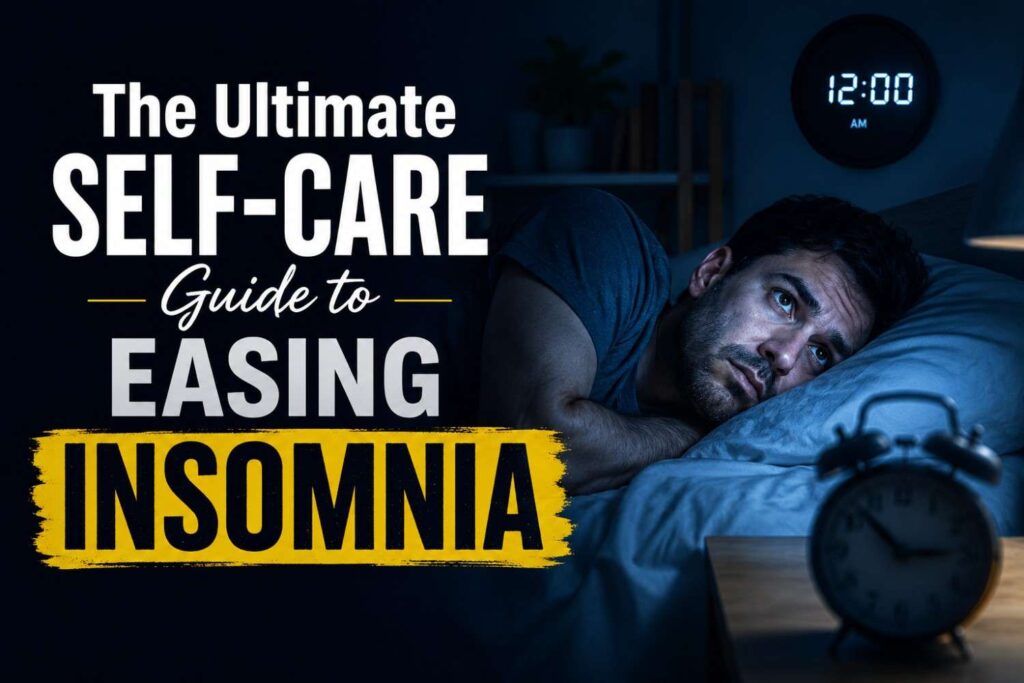
It’s the middle of the night. While the rest of the world is peacefully asleep, you find yourself staring at the ceiling, wide awake. You toss, turn, check the clock, and watch the hours tick by. Insomnia has a cruel way of turning your sacred sleep time into an anxiety-fueled ordeal.
If this sounds familiar, rest assured you are not alone. Millions of people walk this exact same midnight path. Fortunately, sleep is a habit that can be retrained. By prioritizing consistent self-care routines, you can ease the grip of sleeplessness and naturally recalibrate your body’s internal clock over time.
What is Insomnia? (Acute vs. Chronic)
Insomnia is more than just feeling tired; it is a consistent difficulty falling asleep, staying asleep, or waking up far too early, resulting in daytime exhaustion and brain fog.
- Acute Insomnia: This short-term sleep disruption lasts for a few days to a few weeks. It is typically triggered by temporary life events, such as work stress, travel, or a major life transition.
- Chronic Insomnia: When sleepless nights persist for three nights a week for a month or more, it transitions into chronic insomnia. This type can exist on its own or serve as a side effect of underlying physical or mental health conditions.
Uncovering the Root: What Causes Insomnia?
Identifying what triggers your sleeplessness is the most powerful step toward managing it. The roots of insomnia generally stem from a mix of physical, lifestyle, and emotional factors:
- Stress and Anxiety: Worrying about finances, work, relationships, or even the fear of not getting enough sleep keeps your nervous system on high alert.
- Poor Bedtime Habits & Environment: Looking at screens in bed, maintaining an unregulated bedroom temperature, or running an irregular sleep schedule disrupts your biological clock.
- Lifestyle Stimulants: Consuming caffeine too late in the day or using alcohol to fall asleep (which actually destroys deep sleep quality) throws off your natural cycles.
- Medications and Medical Conditions: Certain prescription drugs (like blood pressure meds or stimulants) and conditions causing chronic pain or hormonal shifts can severely disrupt rest.
Why Self-Care Matters for Restless Nights
Our days are spent balancing an exhausting list of responsibilities. When your mind and body never get a chance to downshift, your nervous system gets stuck in a “fight or flight” state.
Self-care isn’t a luxury; it is a clinical necessity for sleep. Dedicated self-care practices lower evening cortisol (stress hormone) levels, train your body’s subconscious sleep mechanisms, and give you actionable tools to cope during an active midnight flare-up.
10 Insomnia Self-Care Tips and Home Remedies
1. Optimize Your Sleep Environment
Your bedroom should feel like a cool, dark, quiet oasis. Keep your room temperature around 65°F (18°C) and cut out ambient city light or blinking electronics.
Sleep Essentials: Upgrade your sleep sanctuary with an Ergonomic Memory Foam Pillow to properly align your neck and shoulders, and pair it with a 100% Blackout Sleep Mask to signal instant melatonin production to your brain.
2. Drown Out Disruptions with Soundscapes
Loud noises or dead silence can keep an anxious brain scanning for sounds. Ambient soundscapes can mask environmental disturbances and create a soothing auditory anchor.
🔊 Sound Therapy: Try using High-Fidelity White Noise Machines or put on ocean waves to ease your mind into a deeply restful state.
3. Harness the Power of Magnesium
Magnesium is a naturally occurring mineral that plays a vital role in calming the central nervous system. It helps muscles relax, alleviates physical tension, and prepares your body for deep sleep architecture.
💊 Nutritional Support: Discover how to naturally calm your muscles and nervous system before bed by checking out Magnesium: The Nerve & Muscle Regulator listed over on our comprehensive Supplement Guide page.
4. Limit Blue Light and Track Your Patterns
The blue light emitted from phones, tablets, and televisions mimics daylight, tricking your brain into suppressing melatonin. Turn off all screens at least 60 minutes before bed.
📊 Data-Driven Sleep: To understand exactly how your bedtime habits are affecting your sleep quality, utilize the Advanced Sleep Tracking Devices to pinpoint your deep and REM sleep disruptions.
5. Establish a Consistent Sleep Schedule
Go to bed and wake up at the exact same time every single day—even on weekends. This builds a robust circadian rhythm. You can figure out your optimal sleep windows using our free Sleep Cycle Calculator.
6. Practice Mindfulness and Mantra Repetition
Mindfulness meditation consists of slow, steady breathing while letting thoughts rise and pass without judgment. Alternatively, silently repeating a positive, present-tense mantra can focus a racing mind and drop your heart rate.
7. Incorporate Gentle Yoga and Stretching
Slow, deliberate movement styles like Yin or Restorative yoga help release physical stress stored in the body. Spending 15 minutes stretching your back and neck before crawling into bed relieves tension.
8. Clear Your Mind Through Journaling
If you suffer from bedtime rumination, keep a notebook by your bed. Write down your worries, tomorrow’s to-do list, or passing thoughts to symbolically empty your brain before attempting to close your eyes.
9. Limit Caffeine, Alcohol, and Nicotine
Caffeine can stay in your bloodstream and disrupt sleep properties for over 6 hours after consumption. Avoid afternoon caffeine entirely, and reduce evening alcohol intake to prevent middle-of-the-night waking.
10. Avoid Heavy Late-Night Meals
Eating large, heavy snacks right before bed causes your digestive system to work overtime, resulting in acid reflux or indigestion. If you are hungry, stick to a light snack and limit excess liquids to avoid middle-of-the-night bathroom trips.
When Self-Care Isn’t Enough: Coping with Chronic Insomnia
For temporary insomnia, standard self-care changes will often rectify the problem. However, if your symptoms fail to improve after a few weeks of diligent habits, it is important to seek professional support. Chronic insomnia may require targeted medical interventions:
- Cognitive Behavioral Therapy for Insomnia (CBT-I): A highly structured, proven therapy program that helps you identify and replace thoughts and behaviors that compromise your sleep.
- Sleep Studies: If underlying issues like sleep apnea are suspected, an overnight sleep study can uncover physical factors disrupting your oxygen levels and waking you up.
The Ultimate Bedtime Self-Care Checklist
| Daily Goal | Action Step | Recommended Tool |
| Calculate Windows | Find your optimal bedtime | [Sleep Cycle Calculator] |
| Block Ambient Light | Create total blackout conditions | [100% Blackout Sleep Mask] |
| Calm the Nervous System | Relax tight muscles before bed | [Magnesium: The Nerve & Muscle Regulator] |
| Mask Noise Disruptions | Play continuous ambient sounds | [High-Fidelity White Noise Machines] |
Want a simple, step-by-step plan? Our 14-Day Sleep Reset Guide turns sleep research into small daily changes you can start tonight.
Insomnia Frequently Asked Questions
How can I treat insomnia myself naturally?
The most reliable self-treatment strategies involve establishing immaculate sleep hygiene: going to bed at a fixed time, using relaxation techniques like box breathing, keeping your room cool, and supplementing with magnesium or lavender oil.
Can a lack of sleep alter my health metrics?
Yes. Chronic sleep deprivation affects everything from immune function to insulin resistance. You can track changes in your metabolic health indicators using tools like our [BMI Calculator] or [BMR Calculator] to keep an eye on how fatigue alters your physical wellness.
Should I take sleeping pills?
Over-the-counter sleep aids or prescribed medications should generally be used under medical supervision, ideally for no more than 10 consecutive days while you adjust your behavioral habits, to avoid dependency or side effects.