12 Hidden Kitchen Toxins That Could Affect Your Health (And Safer Alternatives)

Kitchen items including a scratched non-stick pan, black plastic utensils, plastic food containers, cutting board, and sponge representing common hidden kitchen toxins and safer kitchen alternatives.

Your kitchen is where you prepare meals to nourish yourself and your family. But did you know that some everyday cookware, utensils, and food storage containers may expose you to unwanted chemicals or tiny plastic particles?

While no kitchen can be completely free of contaminants, making informed choices about the products you use can help reduce unnecessary exposure. The key isn’t to throw everything away overnight—it’s to replace worn or potentially problematic items with safer alternatives over time.

In this guide, we’ll explore 12 common kitchen items that deserve a closer look and offer practical, healthier swaps.

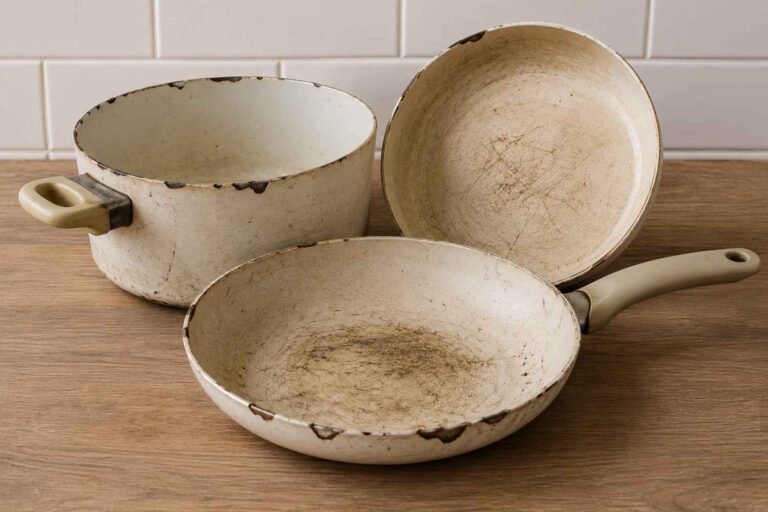
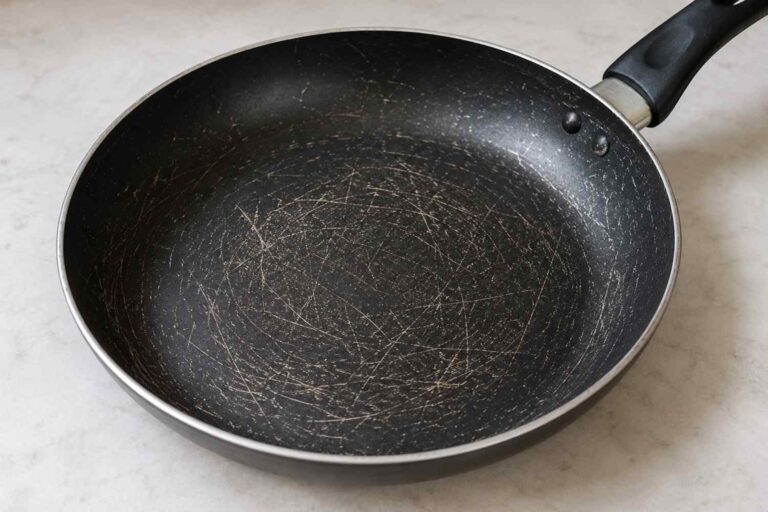
Modern non-stick cookware makes cooking and cleanup easy. However, once the coating becomes scratched, chipped, or starts peeling, it’s time to replace the pan.

Damaged coatings can reduce cooking performance, and older non-stick products may contain chemicals (like older PFAS formulas) that are no longer widely used. High cooking temperatures can also shorten the lifespan of non-stick coatings and cause them to degrade.

  • Safer alternatives: Stainless steel, cast iron, carbon steel, or high-quality ceramic-coated cookware.
  • Tip: Use wooden or silicone utensils to extend the life of non-stick pans.

🛒 Top Safe Swaps:

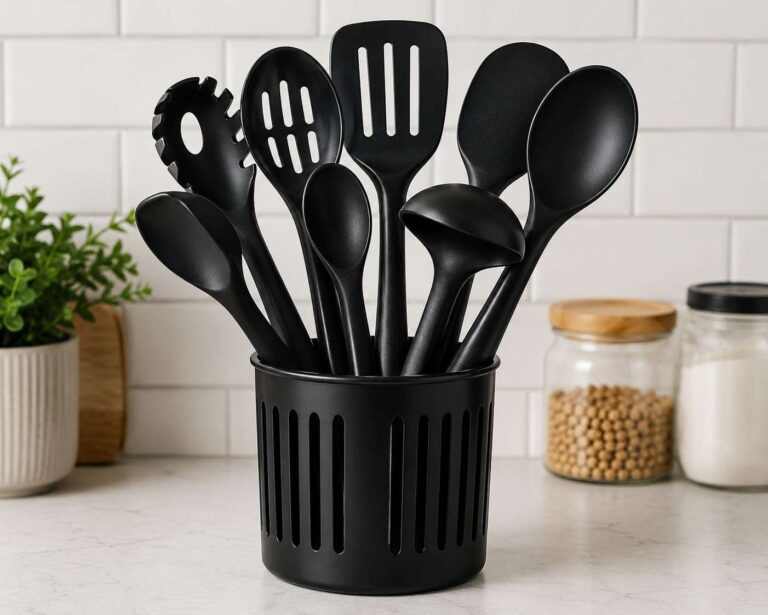
2. Black Plastic Cooking Utensils

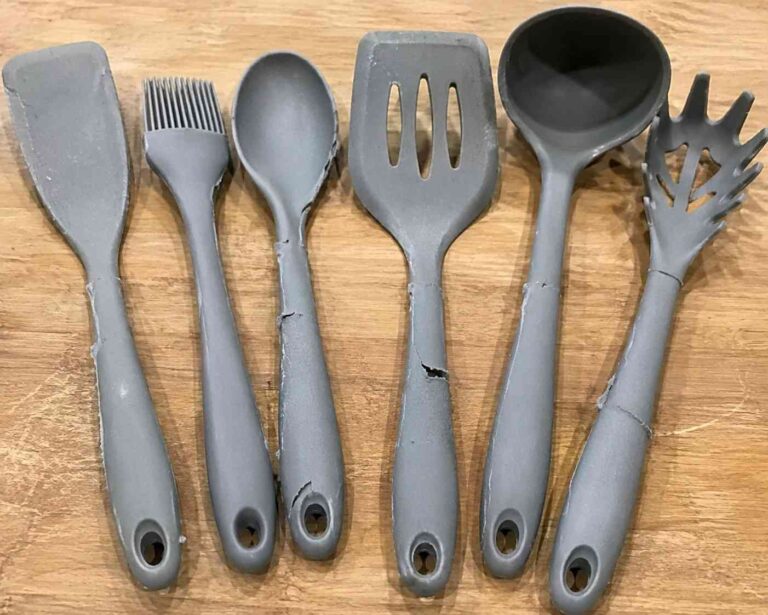
Many inexpensive black plastic spatulas, spoons, and ladles are made from recycled plastics. Depending on their source, some may contain flame retardants or trace contaminants that aren’t ideal for repeated contact with hot food. Heating plastic utensils during cooking may also increase wear and breakdown over time.

  • Better choices include: Stainless steel utensils, natural wood utensils, or food-grade silicone from reputable manufacturers.

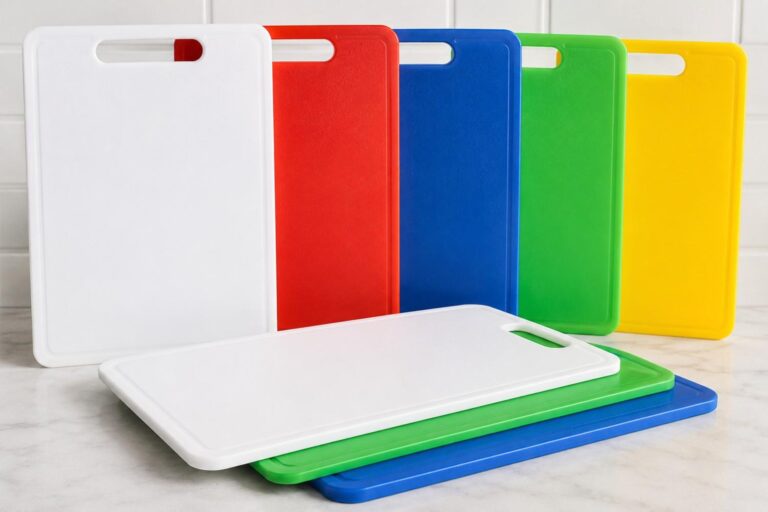
3. Plastic Cutting Boards

Plastic cutting boards are affordable and dishwasher-safe, but repeated knife cuts create tiny grooves that can release microscopic plastic particles into your food during meal prep. While researchers are still studying the long-term health effects of dietary microplastics, minimizing unnecessary exposure is a reasonable precaution.

  • Better alternatives: Hardwood cutting boards (like maple or walnut) or bamboo cutting boards. Remember to replace heavily damaged boards regardless of the material.

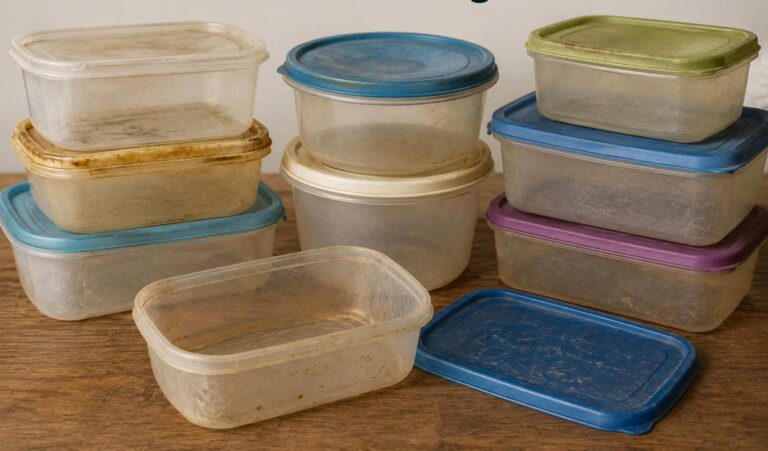
4. Old Plastic Food Storage Containers

Plastic containers become scratched, cloudy, and brittle with age. Heat, repeated washing, and microwave use accelerate their wear, making them more prone to leaching chemicals into your leftovers.

  • Instead of plastic, consider switching to: Glass containers, stainless steel lunch boxes, or BPA-free containers designed specifically for cold food storage.

🛒 Top Safe Swap:

 Leak-Proof Glass Food Storage Containers with SmartestLock Lids
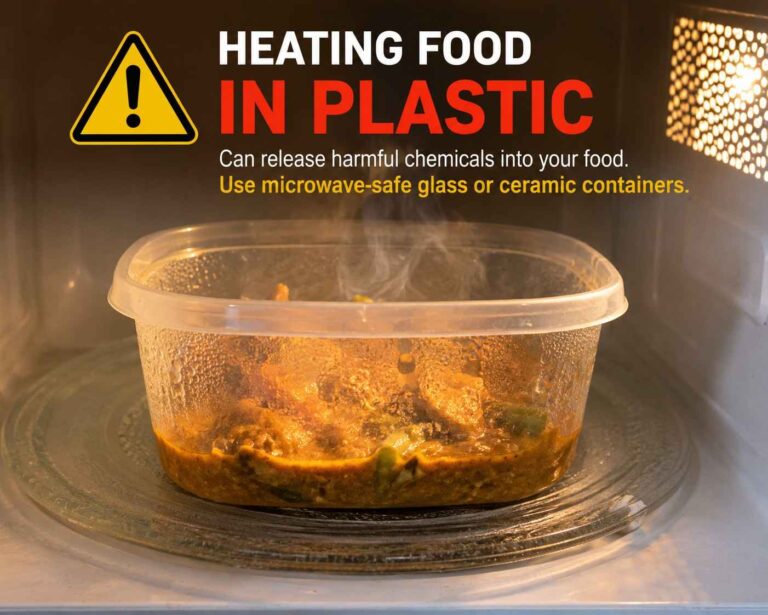
5. Heating Food in Plastic

Even microwave-safe plastics can degrade over years of use when exposed to high heat. To protect your food:

  • Transfer food to glass or ceramic dishes before reheating.
  • Let boiling food cool slightly before placing it into plastic containers.
  • Avoid placing hot, oily foods into disposable plastic packaging.

6. Damaged Ceramic Cookware

Ceramic cookware is popular because it’s free from traditional heavy-metal non-stick coatings. However, once chipped or cracked, the inner core is exposed, and food can stick or burn. Quality matters here—buying from reputable manufacturers helps ensure the cookware meets current safety standards.

  • What to look for: Choose ceramic cookware with clear, transparent information about its materials and manufacturing process.
🛒 Top Safe Swap:

 100% Ceramic Pure Cookware Set

7. Low-Quality Silicone Kitchen Tools

Food-grade silicone is generally considered an excellent option for baking and cooking, but not all silicone products are manufactured to the same standard. Very cheap silicone products may contain plastic fillers that reduce durability and can leach when heated.

  • Look for: LFGB-certified silicone or platinum-cured silicone from trusted brands. Discard silicone utensils that become sticky, cracked, or begin to smell unusual.

8. Aluminum Foil with Acidic Foods

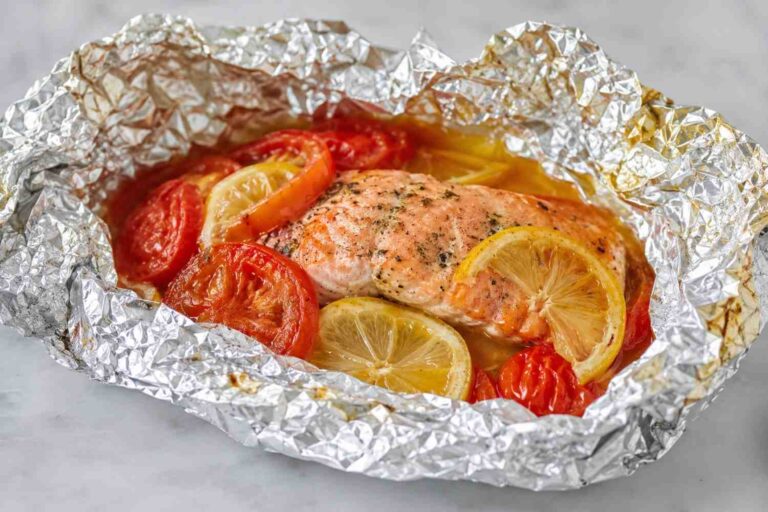
Aluminum foil is convenient, but wrapping or cooking highly acidic foods like tomatoes, lemons, or vinegar-based dishes in it can cause the metal to leach into your food. For most people, occasional use isn’t a major concern, but for acidic recipes, glass baking dishes or parchment paper are much safer options.

🛒 Top Safe Swap:

 Unbleached, Compostable Baking Parchment Paper

9. Worn Wooden Utensils

Wooden spoons and spatulas are excellent kitchen tools, but they don’t last forever. Deep cracks can trap moisture and food particles, making them incredibly difficult to clean and sanitize properly.

  • Replace wooden utensils if they become: Split, moldy, rough, permanently stained, or difficult to sanitize.
  • Tip: Food-safe mineral oil can help extend the life of your wooden kitchen tools.

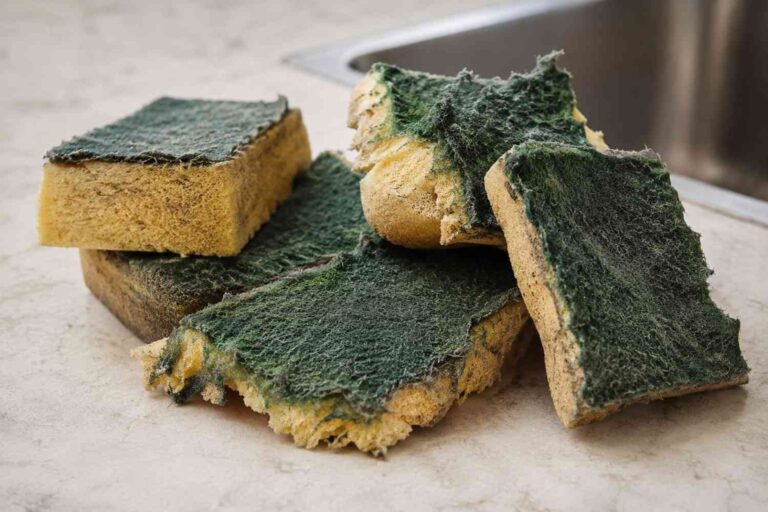
10. Old Kitchen Sponges

Kitchen sponges are among the most bacteria-rich items in many homes. Using the same sponge for weeks allows bacteria to multiply rapidly, which you then spread across your “clean” dishes.

  • Healthier habits include: Replacing your sponges every one to two weeks, sanitizing them regularly, or switching to dish brushes or washable cleaning cloths.

🛒 Top Safe Swap: 

Heavy-Duty Ergonomic Dish Brush Set

11. Disposable Plastic Water Bottles

Single-use water bottles are designed for short-term use—not daily refilling. Exposure to sunlight, car heat, or repeated washing can cause the plastic to degrade quickly.

  • Instead, choose: Stainless steel bottles, glass water bottles, or high-quality, BPA-free reusable bottles.

🛒 Top Safe Swap: 

 Insulated Stainless Steel Water Bottle

12. Cheap or Rusting Kitchen Tools

Low-quality metal utensils, peelers, graters, and can openers may rust or corrode after years of use. Severe corrosion is a clear indicator that the protective plating has failed and it’s time for a replacement. Investing in high-quality stainless steel tools provides better durability and long-term value.

Quick Kitchen Swap Checklist

If you’re upgrading your kitchen, prioritize these safer materials. You don’t need to replace everything at once—start with the items that are damaged, worn out, or used every single day.

(Old Kitchen Item)

  1. Old plastic containers
  2. Black plastic utensils
  3. Scratched non-stick pans
  4. Disposable bottles
  5. Damaged cutting boards
  6. Old sponges

Simple Tips to Reduce Chemical Exposure

Small changes can make a meaningful difference over time. Building a healthier kitchen is about making smarter choices—not striving for perfection.

  1. Avoid overheating non-stick cookware.

  2. Store and reheat leftovers in glass whenever possible.

  3. Replace cracked or peeling cookware promptly.

  4. Wash wooden utensils properly and allow them to dry completely.

  5. Choose products from reputable manufacturers with clear safety information.

Final Thoughts

Creating a healthier kitchen doesn’t require an expensive, overnight makeover. Most households can drastically reduce unnecessary chemical exposure simply by replacing old, damaged, or low-quality items as they wear out. Focus on durable materials like stainless steel, cast iron, glass, hardwood, and platinum-cured silicone. These materials are built to last for years while helping you prepare meals with peace of mind.

Frequently Asked Questions

Is all non-stick cookware dangerous

No. Modern non-stick cookware can be safe when used according to the manufacturer’s instructions. However, you should absolutely replace pans if the coating becomes scratched, chipped, or begins peeling.

Plastic cutting boards remain widely used, but knife marks create micro-grooves that release tiny plastic particles over time. Replacing heavily worn boards and considering wood or bamboo alternatives can help reduce wear-related concerns.

High-quality food-grade silicone is generally considered suitable for cooking and baking. Choose products from reputable manufacturers (look for LFGB or platinum-cured certifications) and replace them if they become damaged or sticky.

Scroll to Top